
Secure Your Facebook Login: The Remote Sales Pro’s Guide

Why a secure Facebook login matters for remote high-ticket sales roles
Imagine you’re about to close a big deal, one that means a lot for your income and your team. You go to log into your Facebook account, which is a key tool for how you connect with potential high-ticket clients in 2026. But suddenly, your usual facebook login account doesn’t work. You’re locked out. This isn’t just annoying; for someone in remote high-ticket sales, it can be a real problem.

In the fast-paced world of remote sales, social media platforms like Facebook are vital. They’re where you build trust, share valuable insights, and connect with clients who are ready to make big purchases. Losing access to your facebook login account can stop you in your tracks. It means lost selling time, missed chances, and it can even make you look less reliable to your clients. Think about it: if you can’t access your tools, you can’t do your job. This problem isn’t just for Facebook either; it can happen with your twitter login, vrchat login, max login, or tumblr login too. Making sure your accounts are set up and managed correctly is super important for anyone working remotely 1.
That’s why understanding how to keep your facebook login account safe and easily accessible is not just good practice, it’s essential. This guide will walk you through everything you need to know. We’ll give you clear, easy-to-follow steps for logging in, show you how to fix common problems, and share the best ways to keep your account secure. We’ll also cover advanced security tips, like using strong passwords and multi-factor authentication, which are key cybersecurity best practices in 2026 2. Plus, we’ll explain what to do if you face a serious account issue, making sure you have a plan. Our goal is to make sure remote sales teams can keep selling without interruption. Knowing how to handle your digital identity and authenticate securely is crucial for all online activities 3. If you’re looking for more ways to improve your remote sales toolkit, you might find our guide on Speechify login: The remote sales pro’s secret weapon very helpful.
How Facebook login works (overview for non-technical sales pros)
Logging into your facebook login account is like showing your ID to get into a special building. It tells Facebook you are who you say you are. This process is called "authentication." For remote sales pros, knowing how this works can save you a lot of worry and lost selling time. It’s not just for Facebook either; the same basic ideas apply to your twitter login, vrchat login, max login, or tumblr login.
Here’s how it usually works:
- Username and Password: This is the most common way. You type in your email address or phone number (your username) and your secret password. If they match what Facebook has on file, you get in. Simple, right?
- Two-Factor Authentication (2FA): Think of this as a second lock on your door. After you put in your username and password, Facebook sends a special code to your phone or another trusted device. You have to put in that code too. This makes your facebook login account much safer from hackers, even if they somehow guess your password Multilogin. It’s a really important step for keeping your sales work safe.
- Remembered Devices: When you log in, Facebook often asks if you want to "remember this device." If you say yes, you might not have to do the full login dance every time you use that specific computer or phone. It’s super handy for quick access to your facebook login account, but make sure it’s a device only you use.
Common Facebook Login States
As a remote sales professional, you’ll mostly see your facebook login account in one of three states:
- Signed In: This means you are actively using Facebook. You can post, message clients, and manage your sales groups. This is the goal.
- Logged Out: You might choose to log out for security, or Facebook might log you out if you haven’t been active for a while. To get back in, you’ll need your username and password, and maybe your 2FA code.
- Locked: This is when things get tricky. Your account might be locked if Facebook sees something unusual, like too many wrong password tries or someone trying to log in from a new place. When your account is locked, you can’t access it until you prove it’s you. This can really stop your sales work. Luckily, there are often ways to fix these issues How To Fix Login Errors On Facebook 2026 (UPDATED GUIDE).
Understanding these basics helps you keep your social media tools ready for action, just like knowing how to get into other important online spaces. If you’re looking for seamless desktop access to other platforms, learning about how to use Snapchat Web login can offer more insights into convenient and secure digital access.
Step-by-step: Signing in on desktop and mobile (safe checklist)
Getting into your Facebook login account should be quick and safe. As a remote sales pro, you can’t afford to waste time struggling with logins or worrying about your account’s safety. Just like your other important online tools, such as your twitter login, vrchat login, max login, or tumblr login, knowing the right steps keeps you productive and secure. Here’s a simple, safe checklist for signing in, whether you’re using a computer or your phone.
Signing in Safely on a Desktop Computer
When you’re at your computer, logging into your Facebook account is pretty simple. Just follow these steps:
- Open Your Web Browser: Go to your favorite internet browser, like Chrome, Firefox, or Edge.
- Go to Facebook’s Website: Type
www.facebook.cominto the address bar at the top and press Enter. Make sure the address starts withhttps://to show it’s a secure site. - Enter Your Login Details: You’ll see boxes for your email or phone number and your password.
- Username: Type in the email address or phone number linked to your facebook login account.
- Password: Carefully type your secret password. Make sure no one is looking over your shoulder.
- Use Two-Factor Authentication (2FA): If you have 2FA turned on (which you should for better security!), Facebook will ask for a special code. This code usually comes to your phone as a text message or through a special app. Type that code into the box. This extra step helps keep your account very safe, even if someone figures out your password Multilogin.
- Click "Log In": After putting in all your details, click the "Log In" button.
- Check Your Device Settings (Carefully!): Facebook might ask if you want to "remember this device." Only click "Yes" if you are on your own private computer that no one else uses. If it’s a shared computer, click "No" to protect your account.
If you ever run into trouble logging in, don’t worry. There are often quick ways to fix common Facebook login problems in 2026 How To Fix Facebook Login Problems (2026 Easy Guide).
Signing in Safely on Your Mobile Device
Logging in on your phone or tablet is just as easy, whether you use the Facebook app or your mobile browser.

Using the Facebook App:
- Open the Facebook App: Find the Facebook icon on your phone and tap it to open the app.
- Enter Your Login Details: Like on a desktop, you’ll see places to type your email or phone number and your password.
- Username: Type your linked email or phone number.
- Password: Type your secret password.
- Use Two-Factor Authentication (2FA): If 2FA is on, enter the code sent to your trusted device.
- Tap "Log In": After everything is entered, tap the "Log In" button.
- Keep App Updated: Always make sure your Facebook app is updated to the newest version. This helps keep it running smoothly and securely.
Using a Mobile Web Browser:
- Open Your Mobile Browser: Open your phone’s internet browser, like Safari or Chrome.
- Go to Facebook’s Website: Type
www.facebook.cominto the address bar. - Enter Your Login Details: Fill in your email or phone number and your password.
- Use Two-Factor Authentication (2FA): If prompted, enter your security code.
- Tap "Log In": Hit the "Log In" button.
Staying logged into your facebook login account securely means you can quickly connect with clients and manage your sales activities without interruptions. Many remote sales jobs, like the high-ticket ones you can find on Indeed, need you to be good at using online tools safely and efficiently. Always remember to use strong, unique passwords and enable 2FA on all your important accounts.
Common login errors and how to fix them (practical troubleshooting)
Even when you follow all the steps to log into your facebook login account, sometimes things don’t go as planned. It’s frustrating when you see an error message instead of your news feed. But don’t worry! Most common login problems have simple fixes. As a remote sales pro, you need to get back online fast, so let’s look at what these errors mean and how to fix them in 2026.
What Do Those Error Messages Mean?
You might see different messages when you can’t get into your account. Here are some you might run into:
- "Incorrect Password" or "Wrong Password": This is the most common one. It means the password you typed doesn’t match the one Facebook has.
- Quick Check: Did you type it correctly? Is Caps Lock on by mistake?
- "Account Temporarily Locked" or "Account Suspended": Facebook might do this if it sees strange activity, like too many failed login tries. This is to protect your account.
- Quick Check: Facebook usually gives steps to unlock it, often by sending a code to your phone or email.
- "Authentication Error" or "Login Approval Needed": This usually happens when your Two-Factor Authentication (2FA) isn’t working right. Maybe you didn’t get the code, or the code expired.
- Quick Check: Make sure your phone has signal or your authentication app is working.
- "Network Error" or "No Internet Connection": Sometimes, the problem isn’t Facebook but your internet.
- Quick Check: Can you visit other websites?
Quick Fixes to Try
Before you get too worried or try to contact Facebook, here are some easy things you can do to fix many facebook login account problems yourself:
- Check Your Internet Connection: This might sound too simple, but it’s a common reason for login issues. Make sure your Wi-Fi is on and working, or your phone has data.
- Double-Check Your Login Details: Carefully type your email or phone number and password again. It’s easy to make a small mistake. Remember to check if your Caps Lock key is on.
- Refresh the Page or Restart the App: Sometimes, a quick refresh of your web browser page or closing and reopening the Facebook app can clear up a small glitch Fix Facebook Error Login Today (2026 Easy Guide).
- Clear Browser Cache and Cookies: Old information saved in your web browser can sometimes cause problems. Clearing your browser’s cache and cookies can help Facebook load fresh. You can usually find this option in your browser’s settings under "Privacy" or "History."
- Try a Different Browser or Device: If you’re using Chrome and can’t log in, try Firefox or Edge. If you’re on your computer, try your phone. This helps see if the problem is with your specific browser or device.
- Check Your Two-Factor Authentication (2FA): If you’re not getting a code, check your phone for messages or make sure your authentication app is synced correctly. Sometimes, waiting a minute and requesting a new code helps. You can also find help for authentication errors here.
- Reset Your Password: If you’ve tried everything else and are sure you’re using the right email or phone number but your password still isn’t working, it’s time to reset it. Look for the "Forgot password?" link on the login page. Follow the steps to get a new password sent to your email or phone.
Being able to quickly fix login problems means you can keep focusing on important tasks, like looking for your next big remote sales opportunity on sites like Indeed. You can learn more about fixing login problems with this easy guide.
Security best practices for sales accounts (protect revenue and access)
After fixing a login problem, it’s smart to think about how you can keep your accounts safe in the first place. For remote sales pros, your online accounts are how you make money. Losing access to your facebook login account, sales tools, or company systems can stop you from closing deals and protecting your income. So, let’s talk about simple but strong ways to keep your accounts secure in 2026. This isn’t just for your personal accounts like a twitter login, vrchat login, max login, or tumblr login, but especially for your work tools and any facebook login account you use for business.
Make Your Accounts Super Strong
Think of these as putting extra locks on your doors.
- Turn on Two-Factor Authentication (2FA): This is like needing two keys to open a door.

Even if someone knows your password, they can’t get in without a second code, usually sent to your phone or an app Digital Identity Guidelines. Most services, including your facebook login account, offer this. It’s a key step to prevent account compromise A Legal Guide To PRIVACY AND DATA SECURITY 2026.
- Use Strong, Unique Passwords: Don’t use "password123"! Make your passwords long, like a short sentence (often called a passphrase), and mix in different kinds of characters. Each account should have its own special password. Some experts suggest passwords be at least 18 characters long for important systems Bates Password Policy – 2026 update.
- Get a Password Manager: This tool remembers all your strong passwords for you, so you only need to remember one master password. It makes using unique passwords easy and safe.
- Set Up Recovery Contacts: Make sure your accounts have up-to-date phone numbers or email addresses that you can use if you get locked out. These are your backup plans.
Keep Your Devices and Team Safe
Your devices are your workplace. Keep them tidy and secure.
- Update Everything: Always update your computer, phone, and apps. These updates often fix security holes that hackers could use.
- Use Good Antivirus Software: This helps protect your devices from bad software that can steal your info.
- Think Before You Click: Be careful with emails or messages asking for your login info, even if they look real. This is a common way hackers try to trick you How to Prevent Data Breaches in 2026 (Highly Effective Strategy).
- Don’t Share Your Logins: Even with a teammate, sharing your personal facebook login account or work account details can put your data at risk. Each person should have their own access. Companies often have clear policies on how to manage user accounts and access 06.01.05-network- computer-and-email-accounts-administration ….
- Know Your Company’s Rules: If you work for a company, they likely have rules for keeping accounts safe. Follow these closely. This helps protect not just you, but everyone. These policies are part of bigger cybersecurity best practices Cybersecurity Enhancement Account Program Summary by Budget ….
- Report Problems Fast: If you think your facebook login account or any other account has been hacked, tell the platform’s support team and your company right away Guidelines for Handling Hacked or Impersonated Social Media …. Acting quickly can stop bigger problems HOW HACKERS COULD WEAPONISE SOCIAL MEDIA IN 2026.
By following these simple steps, you can help protect your online accounts and keep your remote sales career running smoothly. Keeping your information safe means you can focus on finding your next big opportunity, like those found in our 2026 Guide to High-Ticket Remote Sales Jobs on Indeed.
Account recovery: stepwise safe procedures to regain access
Even with the best security steps, sometimes you might still get locked out of an online account. Maybe you forgot your password, lost your phone, or someone tried to get into your account. If this happens to your facebook login account, your work tools, or even a personal account like your twitter login, vrchat login, max login, or tumblr login, don’t worry. There are clear steps you can take to get back in safely.
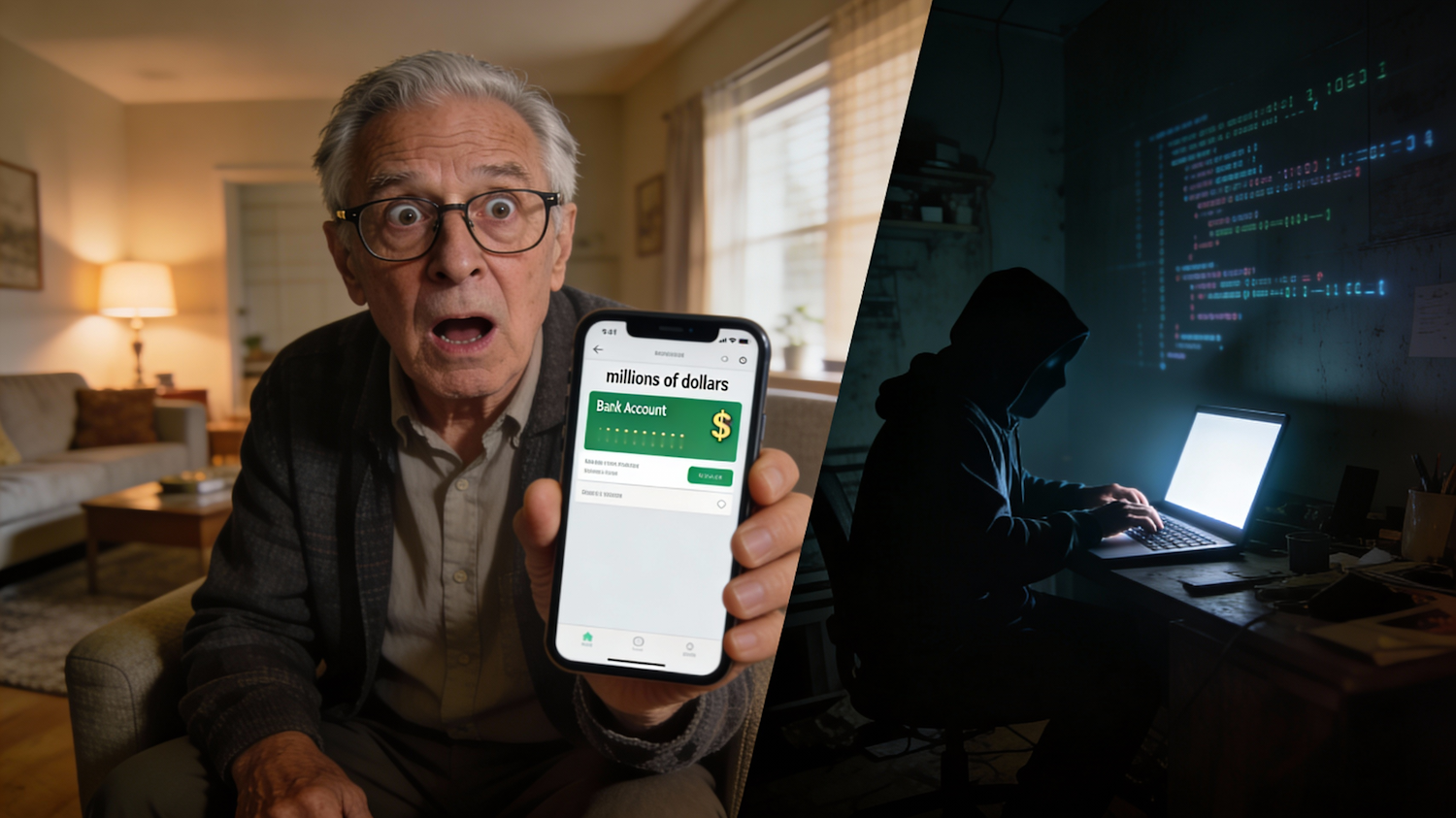
This is extra important for remote sales pros, because losing access means losing sales opportunities. Account compromises remain a widespread and damaging issue, even in 2026 A Survey of Account Security Interfaces.
When to use automated recovery versus talking to someone
When you can’t get into an account, you usually have two main ways to get back in:
- Automated Recovery: This is the fastest way. Most websites, like your facebook login account, have a "Forgot Password?" or "Can’t access my account?" link. You click it, and they usually ask for your email address or phone number tied to the account. They will then send a special code or a link to that email or phone. You use this to prove it’s you and set a new password. It’s super important to keep these recovery details (like your phone number and backup email) up to date.
- Manual Support Channels: If the automated way doesn’t work, maybe because you lost your recovery phone or email, you’ll need to talk to a real person. This means contacting the customer support team for that website or service. For example, if you can’t get into your Snapchat account through the usual steps, you might need to reach out for more help. Learning about how to use Snapchat web login can also help you understand how these accounts connect to your devices, making recovery smoother. When you contact support, they will ask you more questions to make sure you are the true owner. They might ask for things like when you created the account, details about recent actions on it, or even a copy of your ID. This takes more time, but it’s often the only way if automated recovery fails.
What information to prepare
Before you try to get your account back, it’s smart to gather some key information. Having this ready will make the process faster and easier:
- Your Account Details: Know the exact email address or phone number you used to sign up for the account.
- Backup Codes: If you set up two-factor authentication (2FA), you might have saved backup codes. Find these! They are like emergency keys.
- Proof of Identity: For manual recovery, you might need things like your date of birth, previous passwords, or even a government-issued ID.
- Recent Account Activity: Think about recent messages, posts, or purchases you made on the account. This can help you answer security questions.
How to document your recovery attempts
For remote sales professionals, getting locked out of a work-related facebook login account or any other sales tool can affect your income and your clients. That’s why it’s a good idea to keep a record of your recovery attempts:
- Note the Problem: Write down the date and time you noticed you were locked out.
- List Your Actions: Keep a simple log of every step you take. Did you try the "Forgot Password" link? What email did they send the code to?
- Record Communication: If you talk to customer support, write down the name of the person you spoke with, any case or ticket numbers, and the dates and times. Save any emails they send you.
This record helps protect you. If there’s any confusion with your employer or clients about why you couldn’t access an account, you have proof of your efforts. It also helps if you suspect a larger issue like digital fraud, which continues to be a big challenge for many industries in 2026 The Rise of Cyber Events and Digital Fraud in the Financial Sector. By being prepared and careful, you can quickly get back to selling and secure your remote sales career.
Managing multiple Facebook accounts and team access (tools & workflows)
For remote sales pros, managing many different online accounts is a daily thing. You might have a personal facebook login account, one for your business, and separate ones for each client you help. This can get tricky, especially when you need to share access with a team without giving out your personal passwords. Keeping things separate and secure is super important to stay safe online and productive in 2026.
How to juggle different accounts safely
When you have many accounts, like different facebook login accounts or even a twitter login and a tumblr login, you want to make sure they don’t get mixed up. Here are smart ways to do that:
- Account Switching: Many platforms let you easily switch between different accounts once you’re logged in. Facebook is good at this. You can add multiple accounts and jump between them without logging out and back in every time. This is handy for quickly checking a personal account and then a business page.
- Browser Profiles: Think of your web browser (like Chrome or Firefox) as having different "rooms." You can set up different profiles for each room. One room can be for your personal stuff, another for work, and maybe even one for each client. This keeps all your login details, cookies, and settings separate for each facebook login account, vrchat login, or max login you use. This way, your work accounts don’t see what you’re doing on your personal ones.
- Session Isolation Tools: Some special browser tools or extensions can help keep different website sessions totally separate. This means even if you’re using the same browser profile, one facebook login account won’t know about another. This adds an extra layer of privacy and security.
Tools for team access without sharing passwords
Sharing passwords is a big security risk. You never want to give out your personal login details. Luckily, platforms have features built just for teams:
- Facebook Business Manager: This is a key tool for anyone managing Facebook for work.
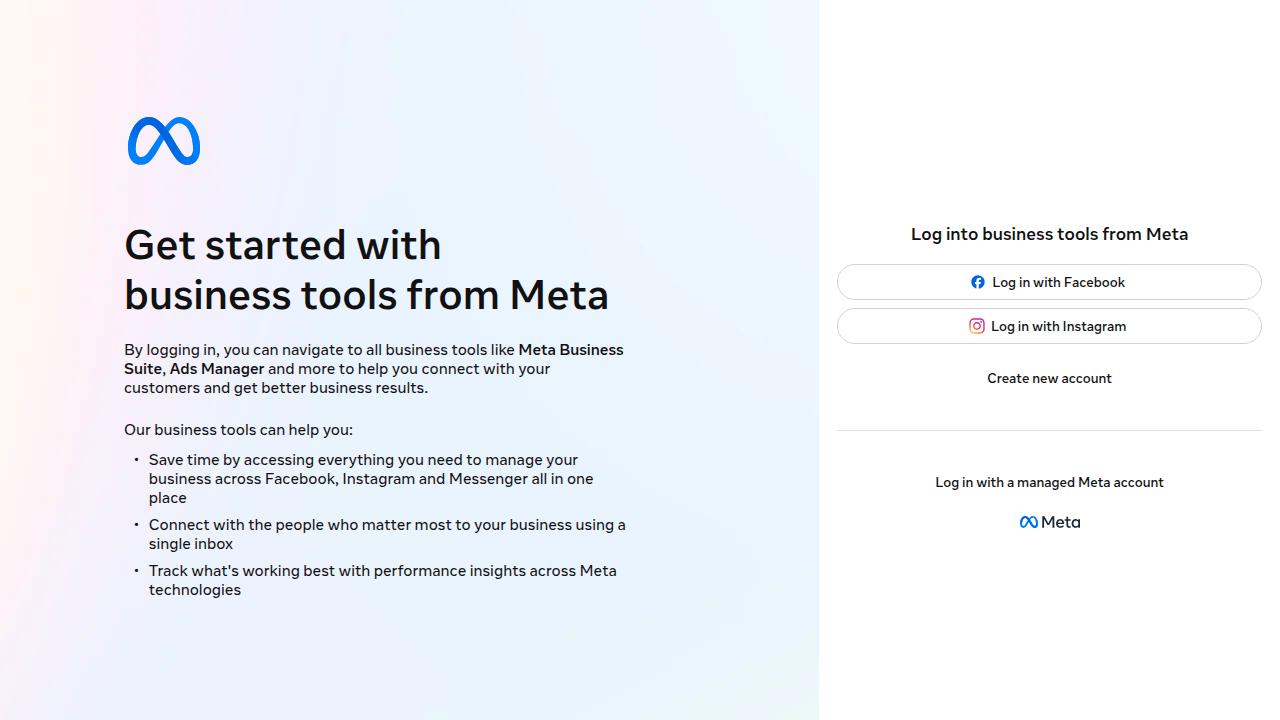
Instead of giving someone your personal facebook login account details, you invite them to your Business Manager. From there, you can give them access to specific Facebook Pages, Ad Accounts, and other assets. They get their own login through their personal Facebook account, but they can only see and do what you allow within the Business Manager.
- Roles and Permissions: Inside Business Manager, you can set different roles. For example, a team member might be an "admin" for a client’s page (full control) or just an "editor" (can post but not change important settings) or an "advertiser" (can run ads). This way, everyone has just enough access to do their job without having too much power, which keeps everything safer. Using tools that help teams collaborate is becoming more and more vital for remote work, with many teams seeing better results when using unified tools in 2026 1.
Learning to use these features not only keeps your accounts safe but also makes your work much smoother. When you know how to manage access well, your remote sales team can work together effectively on different social media strategies, which is key for success. For more tips on remote work and managing online accounts, you might find our guide on how to use Snapchat web login helpful. It talks about similar ideas of connecting accounts securely across devices.
1 Markets.FinancialContent.com. "Top Remote Teams Collaboration Tools for 2026." Markets.FinancialContent.com, March 27, 2026. https://markets.financialcontent.com/mammothtimes/article/businesnewswire-2026-3-27-top-remote-teams-collaboration-tools-for-2026
When to escalate: contacting support, reporting compromise, and legal considerations
Even when you’re super careful with your accounts, like your facebook login account, a twitter login, or your important business logins, sometimes things can still go wrong. Maybe your account gets hacked, or someone uses your brand name without permission. When problems get too big for you to fix on your own, it’s time to ask for help from the experts. This is what we call "escalating" an issue.
When to ask for outside help
You should reach out to support teams or security experts when:
- You can’t get into your account. If you’re locked out of your facebook login account, your vrchat login, or any other important service, and resetting your password doesn’t work, that’s a big sign.
- You see strange activity. This could be posts you didn’t make, messages you didn’t send, or changes to your profile (like your name or email) that you didn’t approve 1. It’s like someone else is using your max login without you knowing.
- Money or important data is affected. If money is taken from your ad accounts, or if personal information from your business clients might be exposed, it’s a serious problem 6.
- Your account is impersonated. Someone might create a fake account pretending to be you or your business, especially on platforms like Facebook or Instagram. This is also a form of compromise 7.
- Self-help steps fail. You’ve tried all the common fixes, like changing passwords and checking your security settings, but the problem is still there.
Hackers are getting smarter in 2026, and a compromised account can cause many problems, especially for businesses 3.
How to get ready for support
To help the support team fix your issue faster, gather as much information as you can. Think of it like putting together a helpful folder for them:
- What happened? Clearly describe the problem. For example, "My facebook login account was posting spam messages last night."
- When did it happen? Note down the dates and times you first noticed the issue.
- Where did it happen? What device were you using (phone, computer) and what browser?
- Screenshots are key. Take pictures of any error messages, strange posts, or changes you see. These visuals really help support understand the problem.
- How does it affect you? Explain if it’s costing you money, hurting your reputation, or stopping your work.
Reporting the problem
Once you have your information ready, contact the platform’s support team right away. Most social media platforms have special help centers for hacked or compromised accounts 1. For example, Meta (Facebook and Instagram) has clear steps on what to do if your account was hacked 7.
If your issue involves a wider data breach or impacts many people, especially for businesses, you might also need to report it to other bodies. For instance, if sensitive customer information like Social Security numbers is stolen, the Federal Trade Commission (FTC) has guidelines for businesses to follow
2. In very serious cases, where you suspect fraud, identity theft, or online bullying, you might even contact cyber helplines or law enforcement 8.
Taking quick and correct action when an account like your tumblr login or facebook login account is compromised can protect you, your business, and your customers. Staying on top of security, even with your everyday accounts, is a big part of working remotely. For more tips on keeping your various online accounts secure, you might find our guide on how to use Snapchat web login helpful, as it shares similar advice on connecting accounts safely across different devices.
Summary
This article explains why a secure Facebook login is essential for remote high-ticket sales professionals and walks through practical steps to prevent and solve access problems. It covers how Facebook authentication works (username/password, remembered devices, and two-factor authentication), clear desktop and mobile sign-in checklists, and quick troubleshooting for common login errors. The guide also outlines security best practices—strong unique passwords, 2FA, password managers, device updates—and offers a stepwise recovery plan, including when to use automated recovery versus contacting support. You’ll learn how to manage multiple accounts safely, use Business Manager and role-based access for teams, and document escalation steps when an account is compromised. Following these recommendations helps protect your revenue, reduce downtime, and keep client trust intact in a remote sales role.