
Your Interval International Login: The Hidden Key to a 6-Figure Remote Career

Introduction: Why Your Login Portal is More Than Just a Gateway
You type in a username and password every day. Maybe it’s for your Airbnb login to check on a booking, or your SunPass login to top up a toll account. It’s a simple, routine step.
But in the world of high ticket sales, a login is your key to the vault.
For sales professionals and remote closers in the vacation ownership industry, the Interval International login is not just a gateway.
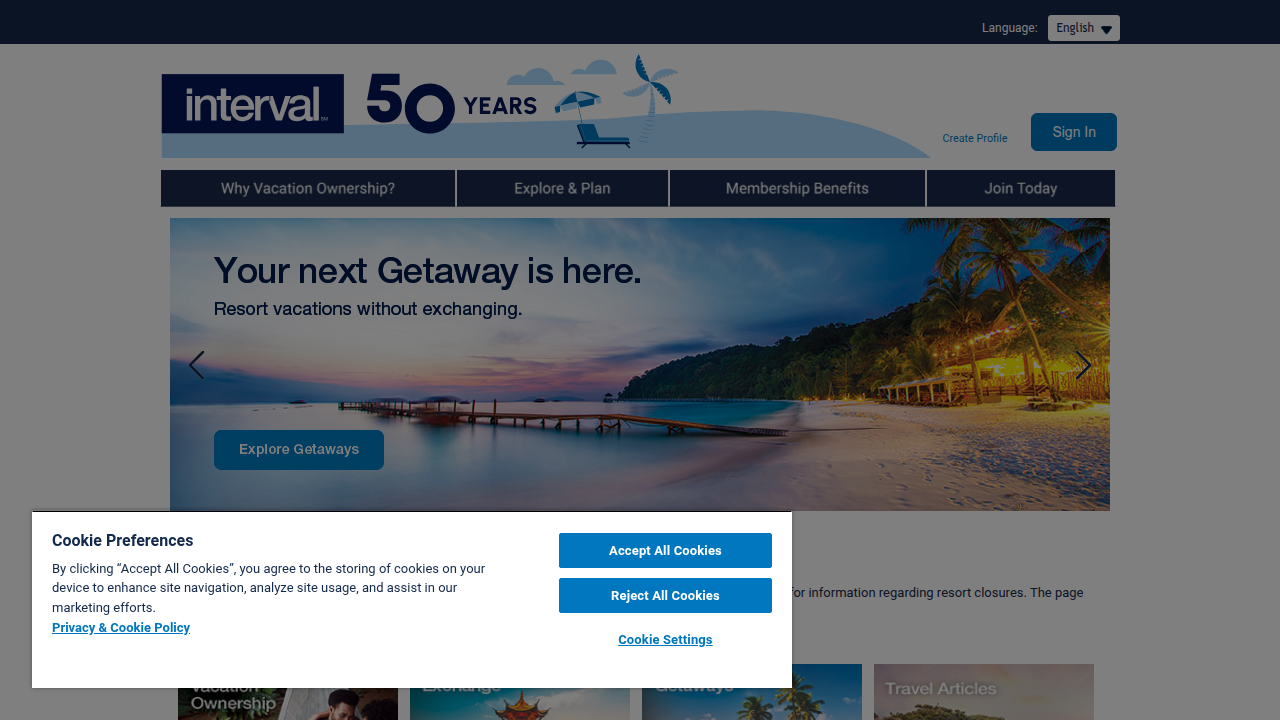
It’s the command center for managing complex, high-value products. It’s where you verify ownership, explore exchange options, and access the detailed information needed to close a major deal. In 2026, the platforms we use daily are more powerful than ever. The portals software market itself is a multi-billion dollar industry, showing how critical these digital hubs have become for business.
This shift is central to modern high ticket sales, which involves selling premium services or products, typically valued at $5,000 and above. In this arena, buyer expectations are incredibly high, and your mastery of the tools of the trade is non negotiable.
This guide is designed for you, the ambitious sales professional. We will walk through the practical steps for your Interval International login, troubleshooting common issues.

More importantly, we’ll connect those steps to the bigger picture: building a lucrative, location independent career as a remote closer in a thriving sector.
Ready to see your login screen in a whole new light? Let’s begin.
Understanding Interval International: A Primer for Sales Professionals
Think about an Airbnb login. You use it to book a single vacation. The Interval International login is different. It is the key to a global network of luxury resorts, where a single transaction can be worth tens of thousands of dollars. To sell in this world, you need to understand the ecosystem you are operating within.
In simple terms, Interval International is a leading timeshare exchange network. Owners of vacation weeks at affiliated resorts can use their platform to "trade" their time for a stay at a different resort somewhere else in the world. This creates immense value and flexibility, which is the core product you are selling.
This is not a small industry. The global vacation ownership market is massive, valued at over $20 billion in 2026 and projected to keep growing. This is the high-stakes arena you are entering.
The Sales Cycle and Where the Login Fits In
A typical high-ticket sales process in this industry follows a journey:
- Lead & Discovery: A potential buyer expresses interest in vacation ownership or exchanging their current ownership.
- Presentation & Valuation: You, the sales professional, present the benefits. This is where your Interval International login becomes critical. You log in to verify specific resort details, check available exchange options, and pull real-time information to build a compelling, personalized offer.

- Negotiation & Closing: The buyer has questions. They want to see alternatives. Your ability to swiftly navigate the portal, access owner histories, and explore different scenarios builds immense trust and closes the deal.
- Post-Sale Management: The relationship continues. You use the portal to manage the new owner’s account, ensuring a smooth onboarding and setting the stage for future business.
Every time you enter your username and password, you are not just accessing a database. You are stepping into the command center for a premium service in a booming market. Research shows that in 2026, mastering digital portals is a defining trait of top sales teams, as these platforms are the lifeblood of modern B2B and luxury B2C commerce.
Why Portal Mastery is a Non-Negotiable Skill
In 2026, buyer expectations are higher than ever. They expect you to be the expert. If you fumble with the tool that defines the product’s value, you lose credibility instantly.
- Speed is Trust: When a buyer asks, "Can I use my week in Orlando to go to Paris next spring?" you need an answer in minutes, not hours. Your fluent use of the portal provides that speed.
- Accuracy is Everything: The details matter in a $20,000+ sale. Misquoting an exchange fee or resort availability is not an option. The portal is your source of truth.
- It’s Your Professional Advantage: Just as a pilot masters a cockpit, a top remote closer in this niche masters their primary software. It’s what separates average reps from high performers who consistently hit their quotas. In a remote role, your technical proficiency is your most visible professional skill.
This goes far beyond a routine SunPass login to pay a toll. This is about navigating the sophisticated backend of a multi-billion dollar luxury travel industry. Your mastery of the Interval International login is, therefore, fundamental. It transforms you from someone who just talks about vacations into a true consultant who can expertly navigate and demonstrate the real, high-value asset you are offering.
Want to learn how to build a career around mastering these high-value systems? Explore our guide on how to become a remote closer and turn this specialized knowledge into a location-independent career.
The Role of the Member Portal in Client Retention and Upselling
Closing the initial sale is just the beginning. In 2026, the real art of high-ticket sales lies in building lasting relationships that turn a one-time buyer into a loyal, long-term client. Your Interval International login is the most powerful tool you have for this crucial phase.
Think of it this way. A routine eversource login is for checking a utility bill. Your member portal access is for nurturing a valuable asset and the person who owns it. After the contract is signed, the portal transforms from a sales dashboard into a service and retention command center.
Here is how it works for retention and growth.
The Portal as a Service Touchpoint
When a new owner has a question about their account, a booking, or an exchange fee, your swift, knowledgeable response via the portal builds incredible trust. You are not just a salesperson you became their go-to expert. This proactive service prevents frustration and builds the goodwill that stops clients from looking elsewhere. In today’s market, buyer expectations are higher than ever, and seamless post-sale support is a key differentiator.

Spotting Upsell and Renewal Signals
Your strategic use of the portal lets you monitor client activity. Are they logging in frequently to browse new resorts? Did they just successfully complete an exchange to a premium destination? This usage data is a goldmine. It signals an engaged, satisfied owner who sees the value in their membership. This is your perfect moment to discuss adding more points, upgrading their membership level, or explaining renewal benefits. The entire portals software industry is booming, valued at over $6 billion in 2026, precisely because tools like these drive smarter, data-informed customer relationships.
The Shift to a Relationship-Based Model
This approach marks the essential shift from purely transactional sales to a relationship-based model. You are no longer just closing a deal you are managing a portfolio of client vacations and dreams. Digital tools enable this shift, allowing you to provide personalized, value-added service at scale. This is the core of modern B2B sales trends, where long-term partnership value outweighs any single transaction. Mastering your Interval International login for retention ensures you are not just hitting a quarterly quota, but building a sustainable book of business for years to come.
Step-by-Step: Accessing Your Interval International Login
Now that you know how powerful your member portal is, let’s make sure you can actually get in. Logging in might seem simple, but a wrong turn online can put your account at risk. Here is your safe, step-by-step guide for your Interval International login.
Step 1: Navigate to the Official Login Page (The Most Important Step)
Your first move is also your most critical security step. Always go directly to the official Interval International website. Do not click on links from emails or messages you did not expect.
Phishing attacks, where scammers try to steal your login details with fake websites, are a massive threat in 2026. In fact, phishing remains the most frequent attack type, making it the top remote work threat according to experts. Protect your account like you protect your airbnb login or sunpass login.
- Open your web browser (like Chrome, Safari, or Firefox).
- In the address bar at the top, type:
**www.intervalworld.com**and press Enter. - This takes you to the official homepage. Look for the "Login" or "Sign In" link, usually in the top right corner of the page.
Step 2: Enter Your Login Credentials
Once you are on the secure login page, you will see fields to enter your information.
- Username or Email Address: Enter the email address you used when you signed up for your membership. This is your primary username.
- Password: Type in your secure password. If you are on a private computer, you can check "Remember Me" for faster logins next time. Never do this on a public or shared device.
- Click "Sign In": After double-checking your info, click the button to access your account.
Step 3: First Time or Can’t Remember?
Do not worry if you get stuck. Here is what to do.
For First-Time Users:
If you are a new member and have never logged in, you likely need to activate your account. Look for a link that says "Activate Your Account" or "New Member Registration" near the login box. You will need your membership number and other personal details from your welcome package to set up your online access for the first time.
If You Forgot Your Password:
This happens to everyone. Click the "Forgot Password?" link on the login page. You will be asked to enter your email address. Interval International will send you a secure link to reset your password. Follow the instructions in that email to create a new, strong password.
If You Forgot Your Username:
Click the "Forgot Username?" link. You will typically need to provide your membership number or the email address associated with your account to retrieve it.
Following these simple steps ensures you get into your account safely and quickly.

Then you can start managing your vacations, just like you would check your eversource login for your bill or your clever login for school. Easy access means you can focus on what matters, planning your next great trip.
Troubleshooting Common Login Issues
You followed the steps. You typed in the right website. But you still can’t get into your account. Do not worry. Login problems happen to everyone, especially when managing accounts from different places. Here is how to fix the most common interval international login issues, so you can get back to planning your vacation.
Forgot Password or Username
This is the most common hiccup. If you cannot remember your password, do not just guess.
- Click the "Forgot Password?" link on the login page, just like we mentioned before.
- Enter your email address. You will get a secure link to create a new password. Make it strong and unique.
- If you forgot your username, use the "Forgot Username?" link. You will usually need your membership number or email to find it.
Guessing passwords can lock your account. It is a basic security step that protects you, similar to keeping your airbnb login or eversource login safe.
Account is Locked or Disabled
If you see a message that your account is locked, it is usually a security measure. After too many wrong password attempts, the system temporarily blocks access to stop hackers.
- Wait a little while. Many locks lift after 15 to 30 minutes.
- Then, try the "Forgot Password" process to reset it securely.
- Do not keep trying the old password. This can make the lock last longer.
Why does this happen? Security is tighter than ever in 2026. Phishing remains the most frequent attack type aimed at stealing login details. Companies like Interval International use locks to protect your account from these automated attacks.
Browser Problems and Errors
Sometimes the problem is not your login info. It is your browser.
- Clear your cache and cookies. Old, stored website data can cause conflicts. Go to your browser’s settings and clear the browsing data for the last day or week.
- Try a different browser. If you usually use Chrome, try logging in with Safari or Firefox.
- Disable browser extensions. Some ad-blockers or security add-ons can interfere with login pages. Try turning them off temporarily to see if it works.
- Make sure JavaScript is enabled. Most modern websites, including the member portal, need this to function.
Think of it like a clever login for school. Sometimes you need to refresh the page or switch devices.
Issues with Two-Factor Authentication (2FA)
If you have two-factor authentication set up for extra security and are having trouble, check these things.
- No Text Message Code? Ensure your phone has a signal. Delivery can sometimes be delayed.
- Using an Authenticator App? Open your app (like Google Authenticator or Authy) and check that the code for Interval International is current. The codes refresh every 30 seconds.
- Wrong Time on Your Phone: Authenticator apps rely on your device’s clock being accurate. Check your phone’s time and date settings.
Remote users are frequent targets for credential theft, so 2FA is a critical defense.
A small setup step prevents big problems.
When to Contact Official Support
If you have tried all the self-help steps above and still cannot log in, it is time to call in the experts. Knowing when and how to contact support is a professional skill.
- Gather your information first. Have your full name, membership number, and the email on your account ready.
- Visit the official Interval International "Contact Us" page. Do not search for a phone number in a random email. Go directly from the official website.
- Explain clearly. Tell them the steps you have already tried (e.g., "I reset my password, cleared my cache, but still see error code XYZ").
This direct approach saves everyone time and gets you a secure solution faster. Then you can get back to what you want to do, which is booking your next great escape.
Security Best Practices for Remote Sales Professionals
Getting into your account is one thing. Keeping it, and the sensitive client data inside, completely safe is another. As a remote sales professional, your interval international login is more than just a portal. It is a direct line to your clients’ travel plans and personal information. Protecting that access is a critical part of your job in 2026.
Here is how to build a secure remote sales practice.
Use a Password Manager Every Time
Stop reusing passwords. A password manager creates, stores, and fills in a unique, strong password for every account you have. This means if one site is breached, your airbnb login or your main work email stays safe.
- It remembers everything for you.
- It generates passwords that are impossible to guess.
- It syncs securely across all your devices.
This simple tool eliminates the biggest weakness most people have. It is the first and most important step in securing your digital life.
Secure Your Network with a VPN
Working from coffee shops, hotels, or even home on a shared Wi-Fi network is risky. Public Wi-Fi can let others see what you are doing online.
A Virtual Private Network (VPN) creates an encrypted tunnel for your internet traffic. Think of it as a private, secure lane on the public information highway. When you access client portals or check your eversource login for business expenses, a VPN keeps that activity hidden from prying eyes. Experts consistently recommend VPNs as a core component of secure remote access protocols.
Recognize and Avoid Phishing Attacks
This is the biggest threat you will face. Phishing is when criminals pretend to be someone you trust to steal your login details. In 2026, these attacks are more convincing than ever, often powered by AI.
Phishing remains the most frequent attack type in remote work, and remote workers are especially susceptible. A single click can compromise everything.
How to spot a phishing attempt:
- Check the sender’s email address carefully. Look for slight misspellings, like "servlce@interval.com" instead of "service@interval.com".
- Be wary of urgency. Messages that say "Your account will be locked in 1 hour!" are designed to make you panic and click without thinking.
- Hover over links. Before you click, hover your mouse over any link to see the real destination URL at the bottom of your browser window.
- Never provide passwords via email. Legitimate companies like Interval International will never ask for your password in an email.
Treat every unexpected email or text message asking you to log in or verify details as suspicious. When in doubt, navigate directly to the official website yourself, just like you would for a sunpass login or a clever login portal.
Understand Your Role in Data Protection Laws
When you handle client data, you are often responsible for complying with privacy laws like the CCPA (California Consumer Privacy Act) and GDPR (General Data Protection Regulation). These laws give clients rights over their personal information.
A data breach caused by a stolen password is not just a tech problem. It can lead to significant financial penalties for your company and erode client trust. Your secure login habits are the first line of defense in keeping client data private and your business compliant.
Security is not just an IT issue. It is a professional responsibility. By using the right tools and staying alert, you protect your income, your clients, and your reputation.
The High-Ticket Sales Skillset: Beyond the Login
Securing your interval international login is the foundation. But what happens after you log in? That is where the real work of a remote high-ticket sales professional begins. This role, often called a "closer," is about far more than just taking orders. It is about guiding clients through significant financial decisions, often involving thousands of dollars, from anywhere in the world.
Let us break down what this job really entails in 2026.
What Does a Remote "Closer" Actually Do?
Think of yourself as a consultant and a guide. Your core responsibility is to convert qualified leads into paying customers for high-value products or services. This is not a transactional sale. It is a process.
Your daily tasks likely include:
- Conducting scheduled video or phone consultations with potential clients.

- Deeply listening to understand client needs, fears, and goals.
- Presenting complex information about a product, like a travel membership or a business software suite, in a clear and compelling way.
- Navigating objections and concerns with confidence.
- Finalizing the agreement and processing the sale.
Your success is measured by Key Performance Indicators (KPIs) like your close rate (the percentage of leads you convert), your average deal size, and your total commission earned. Every conversation is a direct link to your income.
The Essential Skills for Remote Success
Logging into your dashboard is step one. These are the human skills that determine your success once you are in.
- Advanced Objection Handling: "It’s too expensive," or "I need to think about it," are not stop signs. They are invitations. The best closers treat objections as a chance to provide more value and clarity, not as a rejection.
- Value-Based Selling: You are not selling a feature list. You are selling a transformed outcome. For a client using an airbnb login for rental income, you might sell a property management service that saves them 10 hours a week. You connect the product’s function to the client’s deepest needs.
- Remote Rapport Building: Building trust through a screen is a skill. It involves active listening, using clear video conference etiquette, and finding common ground quickly. Your ability to make a genuine connection, without a handshake, is what gets deals across the finish line.
The Reality of Income: Commission, Draws, and Stability
Let us talk numbers. Remote high-ticket sales is often a commission-based career, and the earning potential can be very attractive. Data shows that skilled closers can earn a wide range, from solid middle-class incomes to very high six figures. For example, skilled remote closers can earn between $75,000 and $200,000 or more annually.
Here is what you need to understand about the money:
- Commission Structures: You are typically paid a percentage of the sale you close. This means your income is directly tied to your performance. Close more deals, earn more money.
- Draw Periods: Some companies offer a "draw" against future commissions. This is essentially an advance to help you get started. You then pay this back with your future earnings. It provides early stability but is not free money.
- Income Stability: This is not a predictable, flat salary every two weeks. Your income may fluctuate month-to-month. Top performers thrive on this, seeing unlimited upside. The average salary for remote sales roles is around $80,000 per year, but your results dictate your actual take-home pay.
The role of a remote closer is challenging and rewarding. It demands resilience, sharp communication, and a professional mindset every time you open your laptop and access your sales portal. It is a career built on skill, not just a clever login to a system. Your security habits protect the door, but your sales skillset is what invites clients in and builds your future.
Navigating the Remote High-Ticket Sales Job Market
You know the skills you need. You understand the income potential. Now comes the tricky part: finding the right opportunity. The online job market is full of promises, but not all of them are good. How do you spot a legitimate, high-paying remote sales role versus a scam or a dead-end gig?
Think of it like finding a good mechanic. You want someone with proven results, clear pricing, and good training, not just a flashy sign. Let us break down how to be a smart shopper for your next career move.
Spotting Real Opportunities vs. Red Flags
A real high-ticket sales company invests in you because they plan to make money with you. Scams or low-quality roles see you as disposable. Here is what to look for.
Green Flags (Good Signs):
- Clear Commission Structure: They explain exactly how you get paid, what the percentage is, and what the typical deal size is before you even interview.
- Professional Training: They offer structured onboarding. As industry experts note, choosing a company with a proven sales methodology ensures you have a consistent, structured framework to succeed. This is a major positive signal.
- Transparent Requirements: The job description clearly lists responsibilities, expected KPIs (like call volume or close rate), and the tools you will use (like a specific CRM).
Red Flags (Warning Signs):
- "Easy Money" Promises: If it sounds too good to be true, it is. Legitimate sales is about skill, not magic.
- You Pay to Start: Never pay for a "starter kit," "mandatory training," or a clever login to their job portal. Real companies pay you.
- Vague Job Descriptions: If the posting is all fluff and no concrete details about the product, commission, or daily tasks, be very cautious.
Evaluating Companies and Training
Once you find a potential fit, dig deeper. Your research is your best tool.
- Investigate the Company: Search the company name plus words like "reviews," "scam," or "employee experience." Look for them on LinkedIn. Do they have a professional website? Do real people work there?
- Ask the Right Questions in the Interview: Do not just answer their questions. Ask yours. "What does your training program look like?" "Can you share the average deal size and commission for your top performers?" "What tools, like a CRM or a scheduling system, will I use?"
- Assess the Training Program: Quality sales training is non-negotiable. The best programs in 2026 use interactive methods. Look for companies that use simulation-based learning or AI-powered coaching, not just outdated video lectures. A company that invests in modern training is investing in your success.
Building Your Career Path: From Setter to Closer
You do not always start at the top. Many successful closers begin as Appointment Setters. This is a fantastic entry point.
- The Role: As a setter, your job is to book qualified calls for the senior closers. You learn how to talk to prospects, handle initial objections, and manage a pipeline.
- The Path: Excelling as a setter proves your work ethic and communication skills. It puts you first in line for a closing role when one opens up at that company. You will already know the product, the team, and the process.
- The Long-Term Game: Beyond becoming a closer, think about specialization. You could move into training new hires, managing a team of setters, or even becoming a closer for ever more exclusive, high-value offers.
Navigating this market takes patience and a sharp eye. Focus on companies that value transparency, invest in proper training, and offer a clear path forward. Your goal is not just any job, but a career where your skills, secured by your diligent habits when accessing any work portal, are valued and grown.
Ready to take the next step in your search? Explore our comprehensive guides to find and land the right remote high-ticket sales role for you.
Tools and Resources for Aspiring Remote Closers
You have learned how to find a great opportunity. The next step is getting yourself ready to excel in it. A modern remote closer does not just rely on charm. They use the right digital toolkit, commit to ongoing training, and follow a smart learning plan.
Think of it like a chef. A great chef needs sharp knives (your tools), good recipes (your training), and a plan to practice new dishes (your learning path). Let us look at what you need in your kitchen.
Your Essential Software Stack
When you work remotely, your computer is your office. Having the right software is not a luxury. It is a requirement for professional work. A company should provide you with access to key platforms, often through a secure company login portal. Here is what you will likely use daily.
- Customer Relationship Management (CRM): This is your single source of truth. It tracks every interaction with a prospect. Popular options include Salesforce, HubSpot, and Close. A good CRM keeps you organized and ensures no lead falls through the cracks.
- Communication Tools: You need to talk to your team and your clients. Expect to use video conferencing like Zoom or Google Meet, instant messaging like Slack or Microsoft Teams, and a professional business phone system.
- Scheduling Software: Booking calls back-and-forth via email wastes time. Tools like Calendly or SavvyCal let prospects see your availability and book a meeting instantly, syncing with your calendar.
- Secure Access: Remember, you will log into these work tools every day, much like you would for a clever login at school or an interval international login for travel plans. Always use strong, unique passwords and any required two-factor authentication to protect your and your company’s data.
Recommended Training and Community
Your company should train you. But the best closers never stop learning on their own. They build skills beyond the basic onboarding.
Modern Training Methods:
Forget boring, long lectures. The most effective sales training in 2026 is interactive and adaptive. Look for resources that use methods like simulation-based learning and AI-powered coaching. These let you practice conversations in a safe space and get personalized feedback. As experts note, choosing a company with a proven sales methodology gives you a consistent framework to succeed, which is why seeking out this kind of training is so valuable.
Books and Online Resources:
Start with classics that focus on the psychology of selling and building value. Books like "Fanatical Prospecting" by Jeb Blount or "The Challenger Sale" are great foundations. Also, follow sales trainers and communities on LinkedIn or specialized forums. Listen to sales podcasts during your commute to hear real-world stories and tips.
Creating Your Self-Directed Learning Plan
Waiting for someone to train you is a passive strategy. Taking charge of your own growth is how you break in and move up fast. Here is a simple 4-week plan to get started.
Week 1: Foundation. Dedicate one hour daily. Watch free introductory videos on high-ticket sales cycles. Read the first few chapters of a foundational sales book. Learn the basic terms like "qualification," "objection handling," and "close."
Week 2: Skill Drill. Focus on one core skill. If it’s handling objections, find five common objections for high-ticket products and write out your responses. Practice them out loud. Record yourself and listen back.
Week 3: Tool Familiarity. If you know what CRM your target companies use (like Salesforce), find free tutorials on YouTube or the software’s own learning hub. Understand how to log a call, update a deal stage, and manage a pipeline.
Week 4: Mock Practice. This is the most important week. Find a friend or join an online practice group. Do a mock sales call from start to finish. Get feedback. Then, do it again. This hands-on practice is what will make you confident and competent.
By building your toolkit, investing in modern training, and following a disciplined learning plan, you stop being just an applicant. You become a prepared professional, ready to add value from your very first day on the job.
Summary
This article explains why the Interval International login is more than a simple portal and how mastering it unlocks high-value sales opportunities in the vacation ownership market. It walks you through safe access steps, first-time activation, password recovery, and practical troubleshooting for locked accounts, browser errors, and two-factor authentication problems. The guide links portal proficiency to client retention and upsell opportunities, showing how quick, accurate access builds trust and drives renewals. It also covers security best practices—using password managers, VPNs, and phishing awareness—to protect client data and stay compliant. Beyond login mechanics, the article outlines the broader skillset for remote high-ticket closers, recommended tools, a four-week training plan, and how to evaluate legitimate remote sales roles. Readers will finish able to log in securely, resolve common issues, use the portal strategically for sales and retention, and advance their remote closing careers.